
Netflix’s “Adolescence”: The Brutal Truth Behind the Scree
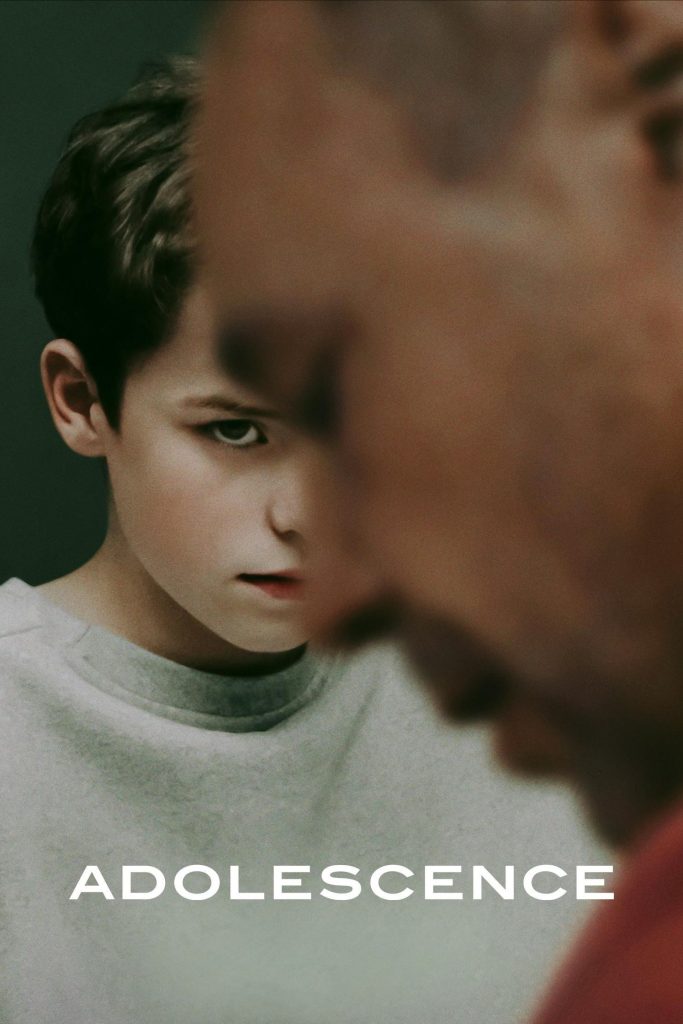
Netflix’s “Adolescence”: The Brutal Truth Behind the Screen If you haven’t watched Adolescence yet, you need to. Not just because it’s gripping, but because it’s real. This new Netflix series doesn’t just entertain—it exposes. It holds a mirror up to the harsh realities young people are facing right now, from toxic online culture to youth violence and the blurred lines between victim and perpetrator. It’s no secret that young people today are growing up in a different world. The influence of social media, incel culture, and hyper-masculinity is shaping how they see themselves and others. Adolescence doesn’t shy away from this. It drags it all into the light, forcing us to confront uncomfortable truths. The Dark Corners of the Internet One of the biggest issues highlighted in Adolescence is the impact of toxic online spaces. Forums, podcasts, and influencers pushing extreme views are everywhere, filling young minds with warped ideas about gender, power, and respect. The show taps into this brilliantly, showing how easily vulnerable young boys can fall into these rabbit holes—sometimes with devastating consequences. We’ve seen it in real life too. The rise of figures like Andrew Tate has shown how quickly young men can be influenced by online rhetoric that glamorises aggression, misogyny, and dominance. Schools, youth projects, and parents are scrambling to counteract this, but the battle is uphill when social media algorithms keep feeding the same toxic narratives. Knife Crime and the Reality of Youth Violence As someone deeply involved in knife crime awareness, I couldn’t help but draw parallels between the show and what’s happening on our streets. The pressures, the need to belong, the fear—these all play a role in why young people carry weapons. Adolescence shows this escalation perfectly. One bad decision, one wrong crowd, and suddenly a teenager is in a situation they never thought possible. It made me wonder—have we seen an increase in boys stabbing girls? And if so, is this linked to the rise of incel ideology? The show makes us question how deeply misogyny and violence against women are ingrained in youth crime. It’s something we need to talk about more. What Can We Do? Shows like Adolescence are important because they start conversations. But talking isn’t enough—we need action. Projects like Blades Down and the KnockOut Violence Project are working to educate, support, and provide alternatives for young people who might otherwise get caught up in these dangerous cycles. But the bigger question remains—how do we prevent young people from going down these paths in the first place? How do we protect them from the voices online that tell them violence is the answer? If Adolescence teaches us anything, it’s that we can’t afford to ignore these issues anymore. Because for too many young people, this isn’t just a TV show—it’s their reality. Have you watched Adolescence yet? What are your thoughts? Let’s talk. — Danni
The KnockOut Violence Project

KnockOut Violence Project Tonight at the KnockOut Violence Project, our young people got a real insight into the discipline and dedication of boxing, watching young fighters from Wirral CP Boxing Club in their pre-fight training. It was inspiring to see the focus and determination in action! After that, it was straight into the circuit session, followed by pad work and bag work, pushing themselves physically and mentally. We finished with a debrief on upcoming projects and a well-being check-in – because looking after our minds is just as important as strengthening our bodies. A huge congratulations to Riley and Lacey, who were chosen as our first KnockOut Violence Ambassadors! 👏 Their leadership will help shape the future of this project. This is just the beginning. We’re building something special, creating a safe space for young people to learn, grow, and make positive choices.
The Role of the Community

The Role of the Community in Tackling Knife Crime Knife crime isn’t just a policing issue. It isn’t just a political issue. It isn’t just a “bad parenting” issue. It’s a community issue. Too often, we hear about another young life lost, another family grieving, another statistic added to the growing numbers. And every time, we ask the same questions—why is this happening? What more can be done? But the real question is: what can we do? Because waiting for the government to step in, or the police to magically solve it, isn’t enough. This is on all of us. Understanding the Root Causes Knife crime doesn’t exist in a vacuum. Young people don’t just wake up one day and decide to carry a weapon. There’s always a reason—fear, peer pressure, lack of opportunities, feeling unheard, unseen, unsafe. Communities need to be aware of this. We need to understand that if a young person is carrying a knife, it’s often because they don’t feel protected by the very people who should be keeping them safe. So, instead of just reacting when tragedy strikes, we need to get proactive. Creating Safe Spaces One of the most powerful things a community can do is provide safe spaces for young people—places where they feel valued, supported, and encouraged to make better choices. Youth clubs, sports programmes, mentoring schemes, community centres—all of these play a huge role in prevention. That’s why we set up Blades Down and The KnockOut Violence Project—because if you give young people a place to belong, a place where they don’t feel the need to carry a weapon, you’re already reducing the risk. Changing the Narrative Knife crime isn’t just a “gang issue.” It isn’t just happening in London. It’s in towns, in schools, in places people assume are “safe.” Communities need to start having these conversations openly, without brushing them under the carpet. We need to educate, challenge stereotypes, and make sure young people know that carrying a knife doesn’t make you safer—it puts you more at risk. The Power of Role Models Young people need real role models—people they can relate to, people who understand the struggles they face. Ex-offenders who have turned their lives around, local mentors, coaches, youth workers, even parents who have lived experience. Every single one of us has the power to influence a young person’s choices. A simple conversation could be the thing that stops them from making a life-changing decision. Reporting & Taking Action It’s not about being a “grass”—it’s about saving lives. If you know a young person is carrying a weapon, if you hear something worrying, say something. Anonymous tip lines exist for a reason. Schools, youth workers, and even local businesses all have a role in being vigilant and looking out for warning signs. Prevention starts with awareness. Supporting Victims & Families Knife crime leaves behind devastation that doesn’t just disappear after the headlines move on. Families who have lost loved ones need ongoing support, and so do survivors. Trauma doesn’t just heal overnight, and communities need to be there—not just in the immediate aftermath but for the long haul. That means fundraising, awareness campaigns, and creating spaces for those affected to share their stories and drive change. Community Action Saves Lives At the end of the day, stopping knife crime isn’t just about telling young people to “put the knives down.” It’s about giving them a reason not to pick one up in the first place. It’s about community action, education, support, and making sure no young person feels like carrying a knife is their only option. This isn’t someone else’s problem. It’s ours. And change starts with us! – Danni
The KnockOut Violence Project at Woodlands Primary School

KnockOut Violence Project at Woodlands Primary School Friday, as part of the KnockOut Violence Project, Lee from Gloves Not Gangs and Danni from The Blades Down Foundation visited Woodlands Primary School in Ellesmere Port to run vital sessions with Year 5 & 6 Students. They tackled important topics such as knife crime, antisocial behaviour, gang culture, and county lines, empowering young people with the knowledge to make positive choices. Danni, who works at The Whitby High School, is able to take time away from the classroom as part of their community outreach, helping to educate primary school students about these tough but necessary issues. Lee spoke passionately to students about the power of making good choices and the consequences of negative ones, sharing how boxing and the core values of the Wirral CP Boxing Club help young people stay on the right path. These students were engaged, insightful, and open, sharing their own experiences and knowledge on these hard-hitting issues. Over the next few months, Danni & Lee will continue visiting more primary schools to extend these crucial conversations. They will also join students from The Whitby High School in delivering Bleed Control Kits to local primary schools.
Woodlands Primary School, Ellesmere Port
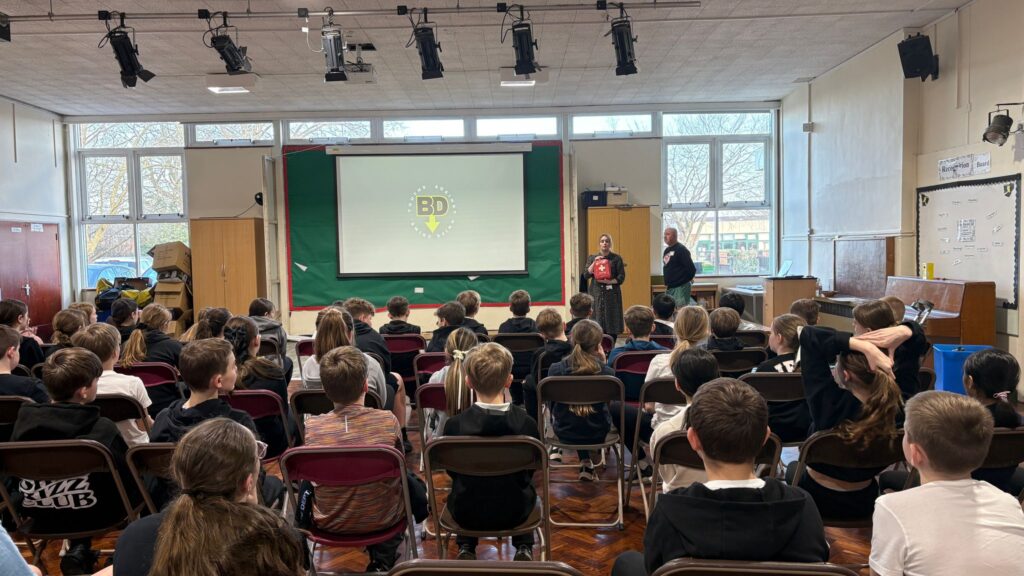
We were fortunate to welcome Blades Down to our school to deliver a series of workshops for our Year 5 and 6 pupils, focusing on the crucial topics of knife crime, anti-social behaviour, county lines, and gang culture. Each of these challenging issues was addressed in a way that was entirely age-appropriate, ensuring that all pupils were able to engage meaningfully and thoughtfully. The primary aim of the sessions was to educate our pupils about the dangers, risks, and long-term consequences associated with these issues. Importantly, the sessions also created space for open discussion, allowing children to share their thoughts, ask questions, and develop a deeper understanding of how to make safe and positive choices in their lives. We are pleased to say that these aims were fully achieved. The children were particularly captivated by Danni, who led the sessions and shared her powerful personal story. A local high school teacher, Danni has a close connection to our community and to a tragic knife crime incident that took place just streets away from our school. Her authenticity and passion made a lasting impression on our pupils. She spoke with honesty and sensitivity, answering the children’s questions in a way that was always respectful of their age and emotional development. The pupils felt safe, respected, and truly listened to throughout the experience. The impact of the workshops was clear to see. Pupils left with a stronger sense of awareness and responsibility, and many continued to reflect on what they had learned in the days and weeks that followed. Our Year 5 children were so inspired that they chose to include their learning from the Blades Down sessions in their class assembly for parents. They also wrote thoughtful and moving poems, demonstrating both their understanding and emotional response to the subject matter. We are incredibly grateful to Blades Down and to Danni for delivering such meaningful, relevant, and impactful sessions. The workshops have had a lasting positive impact on our pupils and have helped equip them with knowledge and tools to make safer, wiser choices in the future. L. Tyrer, Upper Key Stage 2 Lead – English Lead
Meadow Primary School, Ellesmere Port
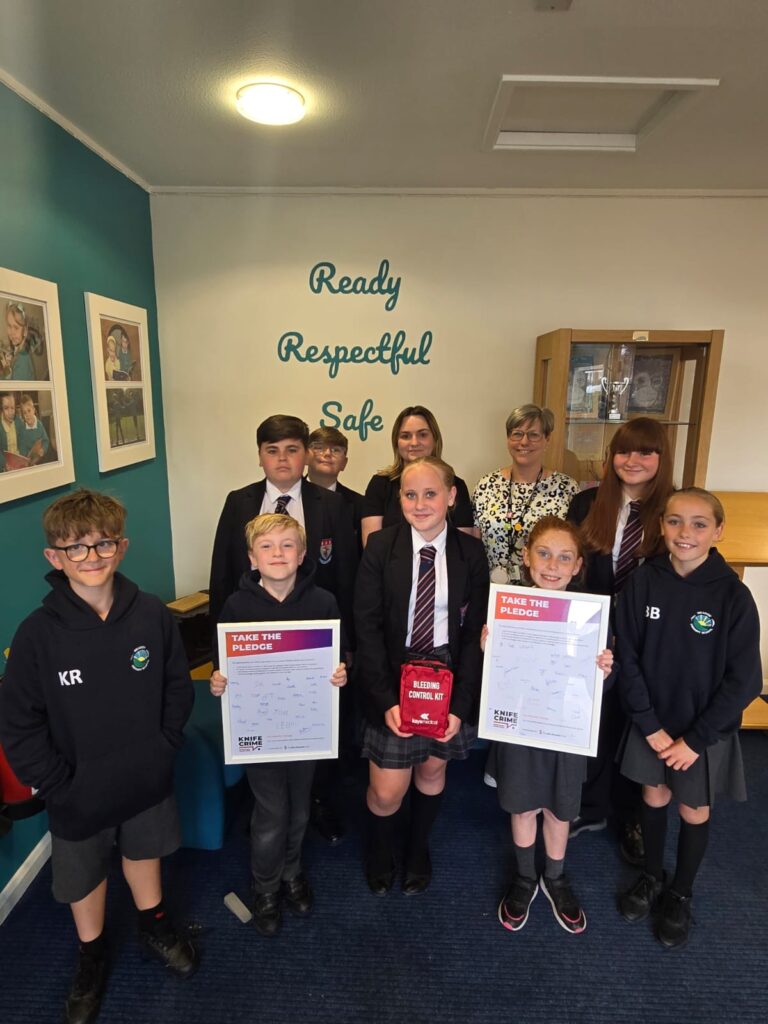
We had considered offering education around knife crime for some time, but had not found anything that we felt was age appropriate for primary aged children until we came across Blades Down. Danni presented difficult information in a sensitive and engaging manner. The children were attentive and responded positively. The sessions provided an opportunity for children to ask questions and explore strategies to support them when dealing with potential conflict in the community. The children felt that the sessions were informative and helpful, and the majority of children said that they felt better prepared and less anxious. Sarah Curtis, Headteacher
Why the pledge matters

Why the pledge matters Yesterday members of the Wirral CP Boxing Club signed the pledge to never carry a knife and act responsibly if they see someone else with one. The pledge is part of our Knife crime prevention programme – Ellesmere Port Together Against Knife Crime. Public pledges draw attention to the issue of knife crime, prompting conversations at home, in schools, and in broader society. Awareness is the first step towards meaningful action, and this movement ensures that the dialogue remains ongoing. Alongside the pledge, many initiatives offer educational workshops, mentorship programs, and activities that provide young people with alternatives to violence. These programs address the underlying issues that lead to knife crime, promoting conflict resolution, emotional intelligence, and leadership skills. Several cities have already seen positive outcomes from knife crime pledges. In London, for instance, community groups have collaborated with schools to implement pledge campaigns, leading to noticeable decreases in knife-related incidents. In Glasgow, a similar initiative complemented by extensive support networks and youth engagement programs contributed to a significant reduction in violent crime rates. For the knife crime pledge movement to continue its positive impact, it requires support from all sectors of society. Governments, schools, community organizations, and families must work together to provide the necessary resources and infrastructure. Policies should focus on preventive measures, such as increasing funding for youth programs and ensuring that mental health support is readily available. In conclusion, the knife crime pledge is more than just a promise; it’s a powerful statement of intent from young people determined to reclaim their communities from violence. By signing the pledge, they are not only rejecting the culture of fear and aggression but also embracing a future built on peace, solidarity, and mutual respect. The journey to eradicating knife crime is long and complex, but with initiatives like the knife crime pledge, there is hope that young people can lead the way to safer, more harmonious communities. Let’s support this movement and amplify their voices, recognizing that real change often starts with the courage and commitment of the younger generation.
The Power Of The Youth Pledge

The Power Of The Youth Pledge We have had a great start to our community prevention programme! Players at the Ellesmere Port Rugby Club – Mini’s & Jrs all came together to sign their names on our knife crime pledge. By signing this pledge they promise not to carry a knife and act responsibly if they see someone else with one. The pledge is an important part of our prevention programme and with each young person who signs it we are one step closer to a better and safer future. In recent years, knife crime has surged as a distressing issue affecting communities worldwide, especially in urban areas. As the conversation about its root causes and potential solutions intensifies, a growing movement among young people is emerging as a beacon of hope: the knife crime pledge. The knife crime pledge is a initiative where young individuals commit to non-violence and refuse to carry knives. This pledge, often formalized through written or digital signatures, serves as a public declaration of their commitment to fostering safer communities. The power of this movement lies in its simplicity and its capacity to inspire collective action. By signing the pledge, young people take a proactive stand against knife crime. It empowers them to become agents of change within their communities, shifting the narrative from passive victims to active participants in creating a safer environment. The pledge fosters a sense of unity among peers. When young people see their friends and classmates joining the movement, it reinforces a collective responsibility and builds a community united against violence.