
Make the Swap Today and Help Make Our Homes and Communities Safer

At Blades Down, we are always looking for meaningful, practical ways to prevent knife harm and protect lives. We are proud to be partnering with Leanne Lucas and the Let’s Be Blunt campaign, a partnership built on shared values, lived experience and a commitment to real, lasting change. This partnership strengthens our message that knife crime prevention does not start and end on the streets. It starts much closer to home, with everyday choices, honest conversations and safer environments. Leanne’s Story Leanne Lucas’ story is at the heart of the Let’s Be Blunt campaign. As shared on the Let’s Be Blunt website, Leanne is a primary school teacher and children’s yoga instructor whose life was changed forever following a brutal knife attack while she was protecting children. In the face of unimaginable trauma, Leanne chose to turn her experience into purpose. Rather than being silenced by what happened to her, Leanne has used her voice to campaign for prevention, education and safer alternatives. Let’s Be Blunt was created to reduce the risk of knife harm by encouraging realistic, achievable changes that anyone can make. Her message is clear. Prevention matters, and action saves lives. What the Let’s Be Blunt Campaign Is About The Let’s Be Blunt campaign focuses on reducing knife harm through awareness, education and practical solutions. It challenges the belief that knives offer protection and instead promotes safer choices, particularly in everyday settings like the home. A key part of the campaign is encouraging people to rethink the knives they use daily and consider safer alternatives that reduce the risk of accidental or intentional injury. This approach empowers families, parents and communities to play an active role in prevention. Making the Swap to Viners Assure Knives One of the most effective actions being promoted through this partnership is making the swap to Viners Assure knives. Viners Assure knives are designed with safety at their core. Their rounded, blunt tip significantly reduces the risk of serious injury through stabbing, helping to prevent knives from being used as weapons. This makes them a safer option for homes, schools and community spaces. Despite their safer design, these knives remain fully functional for everyday cooking. The blades are still sharp and effective for slicing, dicing and chopping, meaning there is no compromise on practicality. They are ideal for households with children, vulnerable adults or anyone who wants to take proactive steps towards improving safety at home. When these changes are made across communities, they contribute to a wider culture shift around knife safety. Viners introduced the Assure range in response to rising knife crime and the need for safer, smarter kitchen solutions. Their commitment to working alongside charities and community groups aligns closely with the work of Blades Down and the Let’s Be Blunt campaign. Viners Assure knives are available from Argos, Amazon, Dunelm and directly from Viners, with packs available from as little as £13. Stronger Together for Lasting Change By partnering with Leanne Lucas and the Let’s Be Blunt campaign, Blades Down is proud to support a movement that focuses on prevention, education and practical action. This partnership strengthens our collective voice and helps ensure that safer choices are accessible, understood and embraced. Lasting change happens when awareness is matched with action. Making the swap is a simple step, but together, those steps can save lives. Make the swap today and help us create safer homes and safer communities for the future.
Knife Crime Awareness Week 2025: Stronger Together for Lasting Change
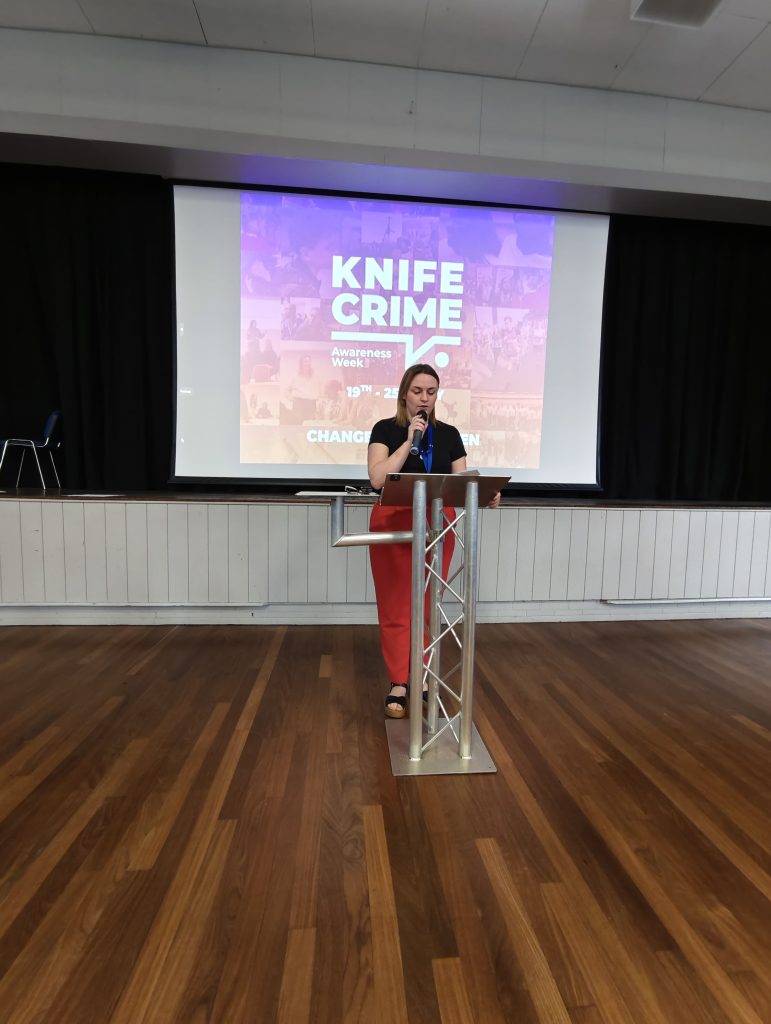
This week is Knife Crime Awareness Week 2025, and for us at Blades Down it is never just a date in the calendar. It is a week that carries weight, emotion and responsibility. A week where stories are shared, conversations are uncomfortable, and lives are remembered. It is also a week filled with hope, connection and action. Throughout this week we have been out in our community doing what we believe matters most. Showing up. Listening. Educating. Supporting. We have spent time with young people, talking honestly about knife crime, violence and the real life consequences that too often get brushed aside or sensationalised. These were not lectures. They were conversations. We spoke about fear, pressure, safety, choices and the impact that one moment can have on so many lives. The bravery shown by young people opening up, asking questions and sharing their thoughts has been nothing short of powerful. This week also saw us delivering bleed control kits into the heart of the community. Each kit represents preparedness, education and the belief that lives can be saved. We never want to be in a position where these kits are needed, but we know that having them accessible can be the difference between life and death. Alongside this, we have continued to raise awareness around emergency first aid and the importance of knowing what to do in a crisis. We have been out speaking to parents, carers and community members too. Knife crime does not just affect young people. It ripples through families, schools and entire communities. These conversations matter just as much. Creating spaces where adults feel able to ask questions, voice concerns and learn how to support the young people in their lives is a vital part of prevention. One of the most important things this week has reminded us of is the power of community. Every conversation, every shared post, every person who stopped to talk or show support plays a part. Knife Crime Awareness Week is not about statistics alone. It is about people. Real lives. Real loss. Real change. As this week continues, we carry with us the voices of the young people we have spoken to, the families who have shared their fears, and the memories of those who should still be here. Awareness is just the start. What matters is what we do with it. At Blades Down, this work does not stop when the week ends. We will keep showing up, keep listening and keep fighting for safer futures. Because every young person deserves to grow up without fear, and every community deserves hope. If this week has taught us anything, it is that change is possible when we stand together.
St Saviours Primary School, Ellesmere Port
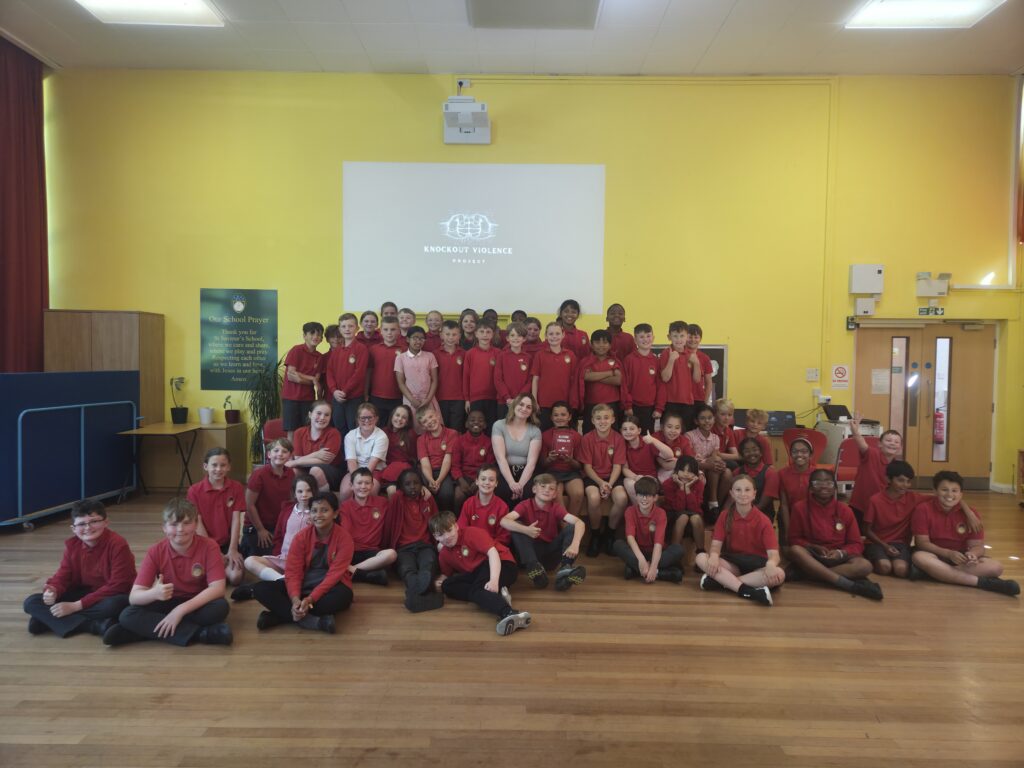
The Blades Down assembly was really informative and interesting. It helped that the lady leading the assembly is a teacher, so she was effective at behaviour control and answering an appropriate number of questions to make sure children felt heard, but the topic was kept to! The subject matter was dealt with with care, and without additional details that made it appropriate for both Year 5 and 6. The pledge resource for us to do in school with the classes that attended was a helpful link to remind children of the assembly the next day, and to prompt any further discussions that needed to occur as a result of the assembly. I Hodgson, Year 5 teacher
Whitby Heath Primary School, Ellesmere Port

We thoroughly enjoyed having Danni join us for a Blades down assembly with Y5 and 6 pupils. She made it incredibly informative yet engaging for the children who had lots of questions and suggestions. She was able to pitch the information correctly so that children did not feel scared but were able to think about their own actions in the future. Children have since been enthusiastic about wanting to join the boxing clubs Danni mentioned, downloading apps to help and have shared information about the bleed kits with their family’s. Elyse Harland, Year 5 Teacher
The Ninja Sword Ban: A Step in the Right Direction—But Why Did It Take So Long?

In recent weeks, the government has announced a new measure under its ongoing crackdown on knife crime: a ban on ninja swords. These weapons, often glamorised in films and online, are designed for one thing only—violence. Under the new law, owning, selling, or possessing these swords in public without legitimate reason will be a criminal offence. So, What Does This Actually Mean? The ban targets curved blades over a certain length that are sharpened and intended to be used as weapons. It’s part of a broader effort to reduce violent crime, particularly among young people. Retailers will no longer be able to sell these items, and those caught with them could face prosecution. While exemptions will be in place for genuine collectors and martial arts practitioners, the message is clear: these aren’t toys or props—they are dangerous weapons. But Why Has It Taken So Long? That’s the question many of us are asking. Communities have been crying out for change for years, as we’ve seen the devastating impact of knife crime on families, friends, and entire neighbourhoods. The rise in online sales, glamorised social media content, and the desensitisation of young people to violence has made these weapons more accessible than ever. We’ve known this, we’ve lived this—and yet, real action has been painfully slow. This isn’t just about swords—it’s about priorities. It’s about listening to the communities on the front line. For too long, these kinds of weapons have been dismissed as collector’s items or novelties, when in reality they’ve played a role in real-world tragedies. How This Relates to Our Mission At Blades Down, our mission has always been clear: to educate, to empower, and to protect. We believe in proactive change, not just reactive policy. We’ve put bleed control kits into the heart of our community, not because we want to, but because we have to. Because for too long, legislation has lagged behind the reality on our streets. We teach young people that strength isn’t found in carrying a weapon—it’s found in walking away, in speaking up, in making better choices. The ninja sword ban aligns with the values we share in schools, youth centres, and workshops across the region. It reinforces the idea that dangerous weapons have no place in our homes, on our streets, or in our culture. Looking Ahead The ban is a welcome move, but it’s not a solution on its own. We need ongoing support for grassroots organisations, investment in youth services, and genuine conversations about why young people are picking up weapons in the first place. Until then, we’ll keep doing what we do best—showing up, speaking out, and standing together. This isn’t the end of the fight—but it’s a step in the right direction.
We Really Don’t Know What Our Kids Are Up To… And That’s the Hard Truth

As parents, we all want to believe we know what our children are doing, thinking, feeling. We like to think our love, guidance, and open-door policy is enough to keep them safe from harm, peer pressure, and poor choices. But the reality, as highlighted in Netflix’s Adolescence, is far more uncomfortable. The drama lifts the lid on the hidden world of teenagers today, the double lives, the pressures, the secrets. It shows us how even the most well-meaning, switched-on parents can be completely unaware of what their kids are really up to. Because while we’re making packed lunches and setting curfews, our teens are navigating a minefield of influences we simply can’t control. We can be the best parent in the world, but that doesn’t stop our children being influenced by others, friends, their favourite YouTubers, TikTok trends, even the characters in their favourite series. And it’s nothing new. Long before social media, I remember the headlines blaming magazines for corrupting young minds. Before that, it was violent video games, explicit films, rock music, MTV. There’s always something to blame. And yet, the root issue rarely changes. What rarely gets talked about and should be shouted from rooftops is the complete and utter lack of funding for youth provisions. Safe spaces for teens to simply be. Somewhere they can hang out without judgement, access support and advice, connect with youth workers, or just get a hot drink and talk. Places like this used to exist. Now? They’re vanishing. And kids are being left to figure things out online or on the street. It’s no surprise that when young people feel unseen, unheard, and unsupported, they seek belonging wherever they can find it, even if that’s in toxic friendship groups or harmful online communities. It’s not that kids don’t have morals or sense. It’s that they’re desperate to feel understood, and society’s letting them down. We owe our children better than this. Not just lectures and rules, not just screen time limits and parental controls but real spaces where they can be themselves, ask the hard questions, and get the right support. So maybe, instead of just blaming the next trend, the next app, or the next big influence (although they are factors) we should be pointing the finger at where it really belongs: the system that’s failing to invest in the next generation.
The Oaks Primary School, Ellesmere Port
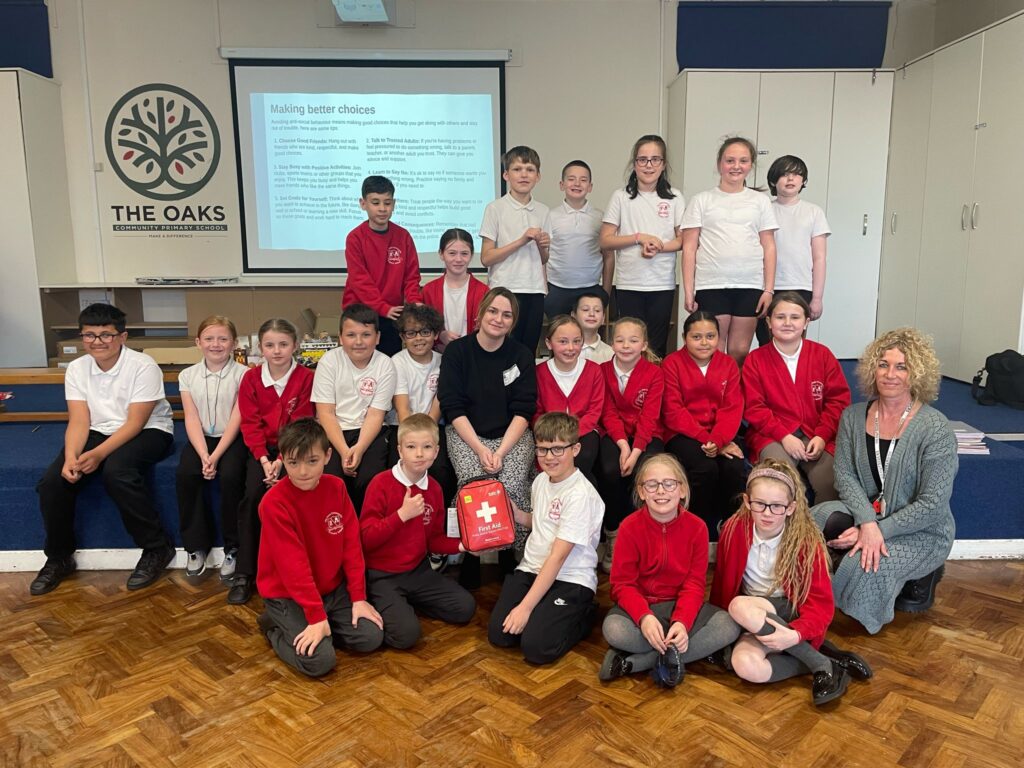
We were delighted to welcome Danni from Blades Down CIC to deliver an assembly to our Year 6 pupils on the dangers of knife crime. Her presentation was powerful, engaging, and age-appropriate—striking exactly the right balance between honesty and sensitivity. Danni’s ability to connect with the children was clear from the outset. She spoke with authenticity and compassion, helping our pupils understand the very real consequences of knife crime while also empowering them to make safe, positive choices. The session sparked meaningful conversations both in school and at home, which is exactly what we hoped for. As a headteacher, I’m incredibly grateful for organisations like Blades Down CIC who are making such an important difference in young lives. I would wholeheartedly recommend their work to other schools. David Wearing, Headteacher
The recent sentencing of Ben Ruddock

The recent sentencing of Ben Ruddock in Ellesmere Port has left me profoundly disillusioned with our justice system. As someone dedicated to educating young people about the severe consequences of knife crime, this verdict undermines the very principles I strive to instil. A Questionable VerdictThe decision to convict Ruddock of manslaughter, despite clear evidence suggesting intent, raises serious concerns. When intent is evident, one would expect a charge of murder, not manslaughter. This discrepancy not only diminishes the gravity of the crime but also sends a troubling message about accountability. Undermining Educational EffortsIn my role as an educator, I emphasise the irreversible consequences of knife crime. However, when the justice system appears lenient in such cases, it challenges the credibility of these teachings and risks diminishing the deterrent effect we aim to achieve. Disparities in SentencingA broader issue within our justice system is the apparent inconsistency in sentencing. It’s disheartening to observe that individuals convicted of violent crimes, such as murder, rape, and paedophilia, often receive sentences comparable to, or even less severe than, those convicted of financial crimes like piracy, fraud, or drug dealing. Valuing Life Over Financial LossThis raises a fundamental question: why does our justice system seem to place a higher value on financial loss to the state than on human life? While crimes like fraud and piracy undoubtedly have significant economic impacts, they pale in comparison to the immeasurable loss and trauma inflicted by violent crimes. Our sentencing policies should reflect the paramount importance of human life and the need for justice for victims and their families. Call for ReformThe sentencing of Ben Ruddock should serve as a catalyst for introspection and reform within our justice system. We must strive for consistency, fairness, and a hierarchy of sentencing that truly reflects the severity of crimes, prioritising the sanctity of human life above all else. Only then can we hope to restore public confidence and effectively deter future offences.
From Danni
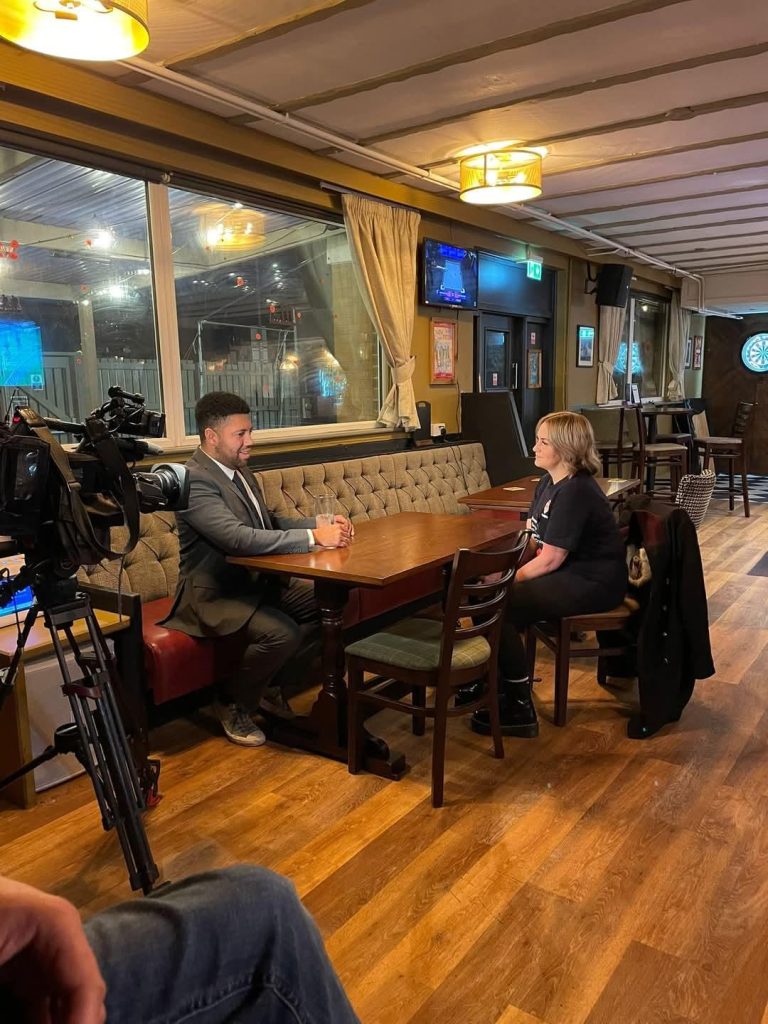
I never imagined knife crime would become such a central part of my life. I wasn’t a politician or a police officer. I was just a regular person living my life, raising my son, and navigating the everyday ups and downs like anyone else. But everything changed in May last year when I witnessed a knife crime fatality. It’s one thing to hear about it on the news, to see the headlines and the statistics. It’s another thing entirely to stand there, powerless, watching a life slip away right in front of you. That moment shattered something inside me. The weight of it sat heavy on my chest, following me into my dreams and creeping into my waking hours. PTSD took hold, making even the most ordinary things feel impossible. But as I struggled to pick up the pieces, I knew I couldn’t just be another bystander. I had to do something. That’s how Blades Down was born. What started as a desperate need to channel my grief and anger turned into something real, something that could actually make a difference. I wanted to make sure that no one else had to stand where I stood that day. I wanted to equip our community with the tools to save lives and, more importantly, to stop the violence before it even happens. We started by fundraising for bleed control kits, small but powerful tools that can mean the difference between life and death in an emergency. 35 kits later, placed around the community, I knew this was just the beginning. Because as much as I believe in emergency response, I believe even more in prevention. We need to reach young people before they ever pick up a knife. We need to give them an alternative. That’s where the KnockOut Violence Project comes in. Boxing isn’t just about fighting, it’s about discipline, respect, and self-control. It’s about taking all that anger, all that frustration, and putting it into something that makes you stronger, not something that destroys lives. Through boxing, mentoring, and education, we’re giving young people a different path. A way out. A way forward. This journey has been painful, but it has also saved me. Watching these young people find purpose, seeing them choose something better, knowing that even one life might be changed because of what we’re doing, it makes every sleepless night, every difficult conversation, every moment of doubt worth it. Knife crime isn’t just statistics. It’s real people. Real families. Real lives destroyed in seconds. But if we stand together as a community, if we fight for change, we can break this cycle. And I refuse to stop fighting.
The Incel Impact
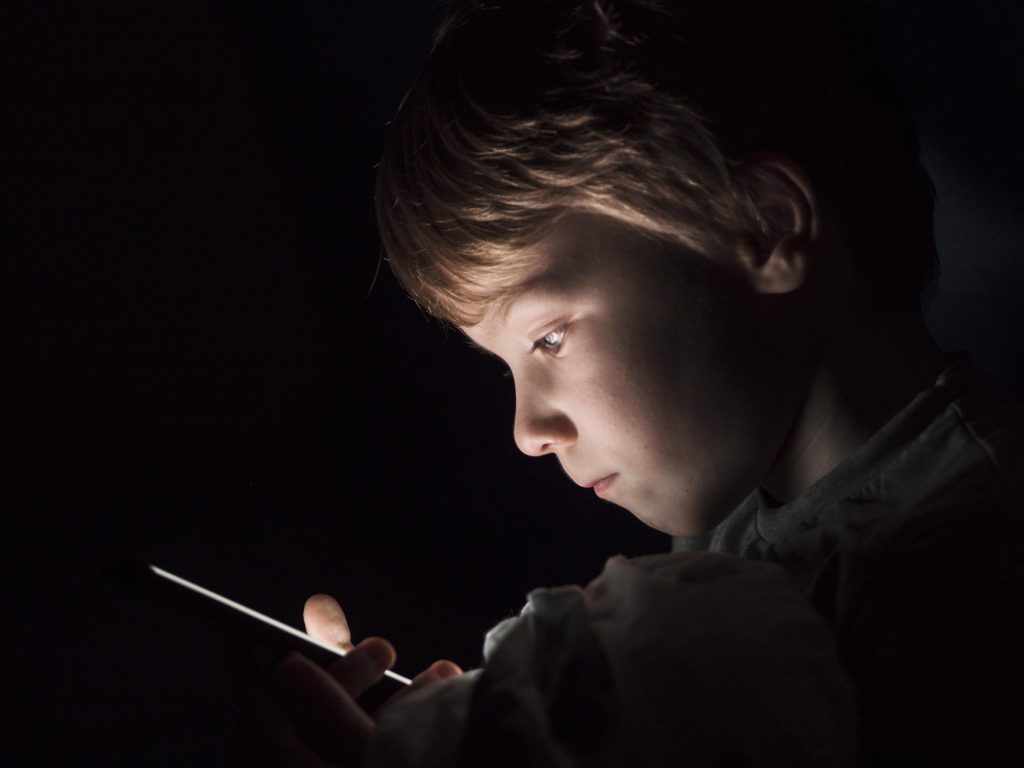
How Incel Culture Contributes to Youth Violence Incel culture—short for “involuntary celibate”—has grown from niche internet forums into something far more dangerous, contributing to a rise in youth violence, particularly against women. What starts as frustration over relationships (or the lack of them) quickly spirals into toxic misogyny, with young men being radicalised online into believing they are victims of a system that favours women. This resentment has, in some cases, led to violent attacks. The Influence of Incels on Young People Incels aren’t just a bunch of frustrated young men complaining online. Some of these communities idolise individuals who have carried out acts of extreme violence, like Elliot Rodger, who killed six people in 2014 before taking his own life. He left behind a manifesto blaming women for rejecting him—something that incel forums still glorify to this day. Young, impressionable boys, many of whom already feel isolated, can be drawn into these spaces, where hatred is encouraged, and violence is sometimes seen as a solution. Netflix’s Adolescence and the Rise of Gendered Violence Netflix’s new show Adolescence tackles exactly this issue. It follows 13-year-old Jamie Miller, accused of murdering his classmate, Katie Leonard, and explores how online communities and societal pressures shape young minds. The show paints a chilling picture of how easily boys can be pulled into incel ideology, and it feels painfully relevant. This got me wondering—are we seeing a rise in gendered violence among young people, particularly knife crime against girls? Statistically, boys are far more likely to be both perpetrators and victims of knife crime, but there have been cases where young men, influenced by incel beliefs, have specifically targeted women. Could this toxic mindset be bleeding into real-world violence even more than we realise? Andrew Tate and the Normalisation of Misogyny Then, there’s the Andrew Tate effect. Like him or not, his influence over young men is undeniable. He promotes an ultra-masculine, dominance-driven lifestyle, which at best teaches boys to be overconfident, and at worst, fuels outright misogyny. Schools across the UK are reporting boys quoting him, dismissing female teachers, and adopting aggressive attitudes towards girls. When you mix that mindset with the more extreme views in incel communities, it creates a dangerous cocktail of entitlement and resentment—one that, in some cases, can turn violent. What Can Be Done? This isn’t just an “internet problem.” The conversations happening in dark corners of the web are creeping into real life, influencing young people in ways we can’t ignore. Parents, schools, and communities need to step up. We need to teach boys about healthy relationships, challenge toxic masculinity, and create spaces where they feel heard without being radicalised. I work with young people through the KnockOut Violence Project, and I see firsthand how vital it is to engage with them before they fall into these online rabbit holes. They need role models who can show them a different path—one built on respect, resilience, and positive masculinity. The rise of incel culture and its link to youth violence is a wake-up call. If we don’t act now, we risk raising a generation of boys who see women as the enemy, and that’s a future none of us should accept.